Table of contents
Tutorial development environment
The tutorial database is PostgreSQL.
To make the tutorial easy I am going to execute all queries online on PGTutorial online playground.
But you can use on local environment using PostgreSQL directly or PostgreSQL docker image with pgAdmin or PSQL terminal.
This is the docker container that I use for the example:
1
2
3
4
5
| docker run --name history-demo-postgres \
-e POSTGRES_USER=postgres \
-e POSTGRES_PASSWORD=postgres123 \
-p 5432:5432 \
-d postgres:18.0-alpine3.22
|
I use pgModeler to model this demo database. Here you have both files: one table versioning and two table versioning
Disclaimer: Data versioning and database versioning are not the same
On this tutorial I explain how to implement data versioning in a database, no a database versioning.
Data versioning tracks changes to the records inside tables (row-level history, old values, timestamps, etc.). It helps recover or inspect how the data looked at a specific moment in time. Example: Keeping a history of product prices or inventory levels.
Database versioning tracks changes to the database schema or structure (tables, columns, relationships, stored procedures, etc.). Example: Applying migrations to add a new column named status to a table.
One simple table
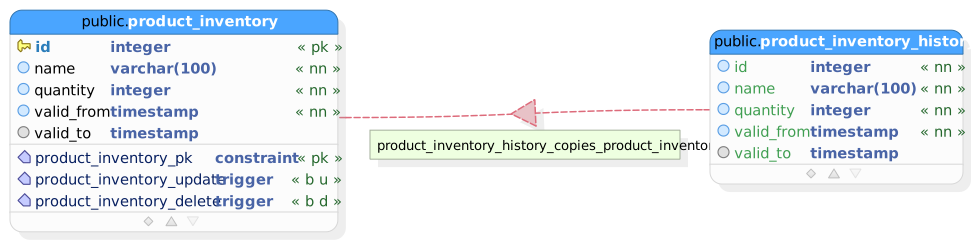
This is the basic versioning model that you are going to create:
Step 1: Create main table
1
2
3
4
5
6
7
8
| CREATE TABLE product_inventory (
id integer NOT NULL GENERATED ALWAYS AS IDENTITY ,
name varchar(100) NOT NULL,
quantity integer NOT NULL,
valid_from timestamp NOT NULL DEFAULT CURRENT_TIMESTAMP,
valid_to timestamp DEFAULT NULL,
CONSTRAINT product_inventory_pk PRIMARY KEY (id)
);
|
And populate it:
1
2
3
4
| INSERT INTO product_inventory (name, quantity)
VALUES
('Laptop Pro 15"', 111),
('Car', 22);
|
this is the actual state of the table:
1
| SELECT * FROM product_inventory;
|
Output:
1
2
3
4
5
6
7
| +----+----------------+----------+----------------------------+----------+
| id | name | quantity | valid_from | valid_to |
+----+----------------+----------+----------------------------+----------+
| 1 | Laptop Pro 15" | 111 | 2025-10-10 10:33:10.957000 | NULL |
+----+----------------+----------+----------------------------+----------+
| 2 | Car | 22 | 2025-10-10 10:33:10.957000 | NULL |
+----+----------------+----------+----------------------------+----------+
|
Step 2: Create its historic table copy
1
2
3
| CREATE TABLE product_inventory_history (
LIKE product_inventory
);
|
Step 3: Create log function and add triggers
Now you need to create a function to log old items on history table:
1
2
3
4
5
6
7
8
9
10
11
12
13
14
15
16
17
18
19
20
21
22
23
24
25
26
27
28
29
30
31
32
33
34
| CREATE FUNCTION log_product_inventory_changes ()
RETURNS trigger
LANGUAGE plpgsql
VOLATILE
CALLED ON NULL INPUT
SECURITY INVOKER
PARALLEL UNSAFE
COST 1
AS $$
BEGIN
INSERT INTO product_inventory_history (
id,
name,
quantity,
valid_from,
valid_to
)
VALUES (
OLD.id,
OLD.name,
OLD.quantity,
OLD.valid_from,
CURRENT_TIMESTAMP
);
IF TG_OP = 'UPDATE' THEN
NEW.valid_from := CURRENT_TIMESTAMP;
NEW.valid_to := NULL;
RETURN NEW;
END IF;
RETURN OLD;
END;
$$;
|
Now to automatically call log_product_inventory_changes() you need to add triggers on main table:
1
2
3
4
5
6
7
8
9
10
11
12
13
| -- Triggers for UPDATE action. When a tables's item is added or modified.
CREATE TRIGGER product_inventory_update
BEFORE UPDATE
ON product_inventory
FOR EACH ROW
EXECUTE PROCEDURE log_product_inventory_changes();
-- Triggers for DELETE action. When a table's item is removed.
CREATE TRIGGER product_inventory_delete
BEFORE DELETE
ON product_inventory
FOR EACH ROW
EXECUTE PROCEDURE log_product_inventory_changes();
|
Step 4: Modify table items and check changes on historical table
In my case I change Car item quantity from 22 to 5:
1
2
3
4
| UPDATE product_inventory
SET
quantity = 5
WHERE id = 2;
|
Check if it’s updated on main table:
1
| SELECT * FROM product_inventory;
|
Output:
1
2
3
4
5
6
7
| +----+----------------+----------+----------------------------+----------+
| id | name | quantity | valid_from | valid_to |
+----+----------------+----------+----------------------------+----------+
| 1 | Laptop Pro 15" | 111 | 2025-10-10 10:33:10.957000 | NULL |
+----+----------------+----------+----------------------------+----------+
| 2 | Car | 5 | 2025-10-10 10:45:52.118000 | NULL |
+----+----------------+----------+----------------------------+----------+
|
And if the old item is stored on historic table:
1
| SELECT * FROM product_inventory_history;
|
Output:
1
2
3
4
5
| +----+------+----------+----------------------------+----------------------------+
| id | name | quantity | valid_from | valid_to |
+----+------+----------+----------------------------+----------------------------+
| 2 | Car | 22 | 2025-10-10 10:33:10.957000 | 2025-10-10 10:45:52.118000 |
+----+------+----------+----------------------------+----------------------------+
|
Step 5: [Optional] Implement time snapshot function
With this function you’ll get a view of the database on a specific time:
1
2
3
4
5
6
7
8
9
10
11
12
13
14
15
16
17
18
19
20
21
22
23
24
25
26
27
28
29
30
31
32
| CREATE FUNCTION snapshot_inventory_at (target_ts timestamp)
RETURNS TABLE (product_id integer, product_name varchar, quantity integer, snapshot_time timestamp)
LANGUAGE sql
VOLATILE
CALLED ON NULL INPUT
SECURITY INVOKER
PARALLEL RESTRICTED
COST 1
AS $$
-- Product state at the given timestamp
WITH product AS (
SELECT *
FROM product_inventory
WHERE target_ts BETWEEN valid_from AND COALESCE(valid_to, CURRENT_TIMESTAMP)
UNION ALL
SELECT *
FROM product_inventory_history
WHERE target_ts BETWEEN valid_from AND valid_to
)
-- Output table snapshots
SELECT
product.id,
product.name,
product.quantity,
target_ts
FROM product
ORDER BY product.id;
$$;
|
To execute it you only need to:
1
| SELECT * FROM snapshot_inventory_at ('2025-10-10 10:40:00')
|
Output at 2025-10-10 10:40:00 before the update:
1
2
3
4
5
6
7
| +------------+----------------+----------+----------------------------+----------------------------+
| product_id | product_name | quantity | snapshot_time | valid_to |
+------------+----------------+----------+----------------------------+----------------------------+
| 1 | Laptop Pro 15" | 111 | 2025-10-10 10:40:00.000000 | 2025-10-10 10:45:52.118000 |
+------------+----------------+----------+----------------------------+----------------------------+
| 2 | Car | 22 | 2025-10-10 10:40:00.000000 | NULL |
+------------+----------------+----------+----------------------------+----------------------------+
|
Output at 2025-10-10 10:55:00 after the update:
1
2
3
4
5
6
7
| +------------+----------------+----------+----------------------------+----------------------------+
| product_id | product_name | quantity | snapshot_time | valid_to |
+------------+----------------+----------+----------------------------+----------------------------+
| 1 | Laptop Pro 15" | 111 | 2025-10-10 10:55:00.000000 | 2025-10-10 10:45:52.118000 |
+------------+----------------+----------+----------------------------+----------------------------+
| 2 | Car | 5 | 2025-10-10 10:55:00.000000 | NULL |
+------------+----------------+----------+----------------------------+----------------------------+
|
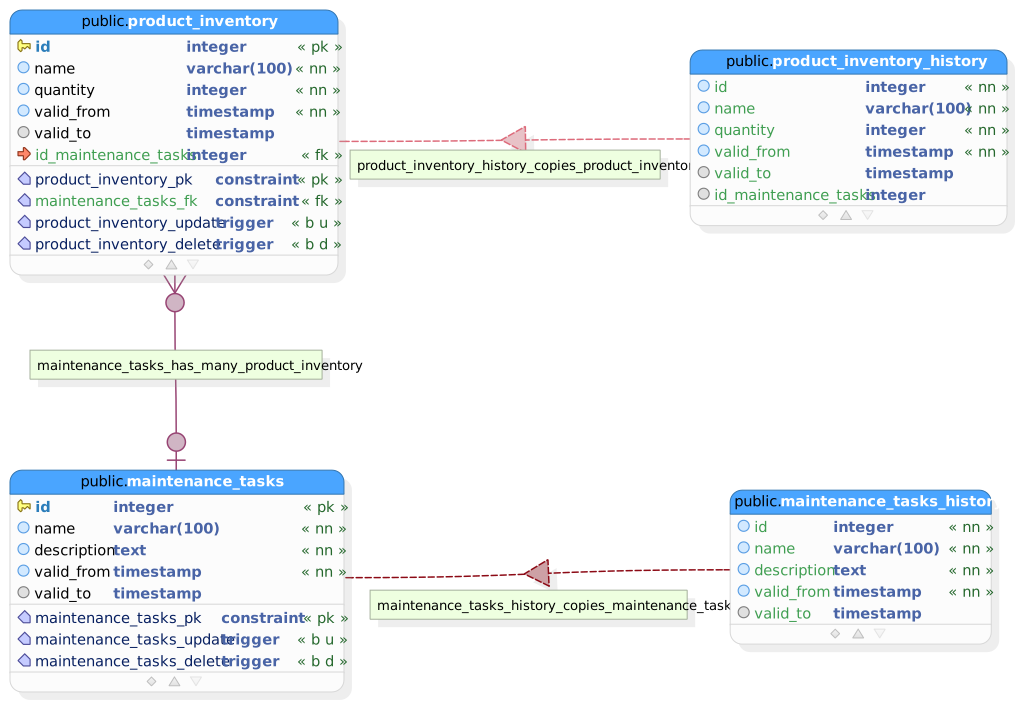
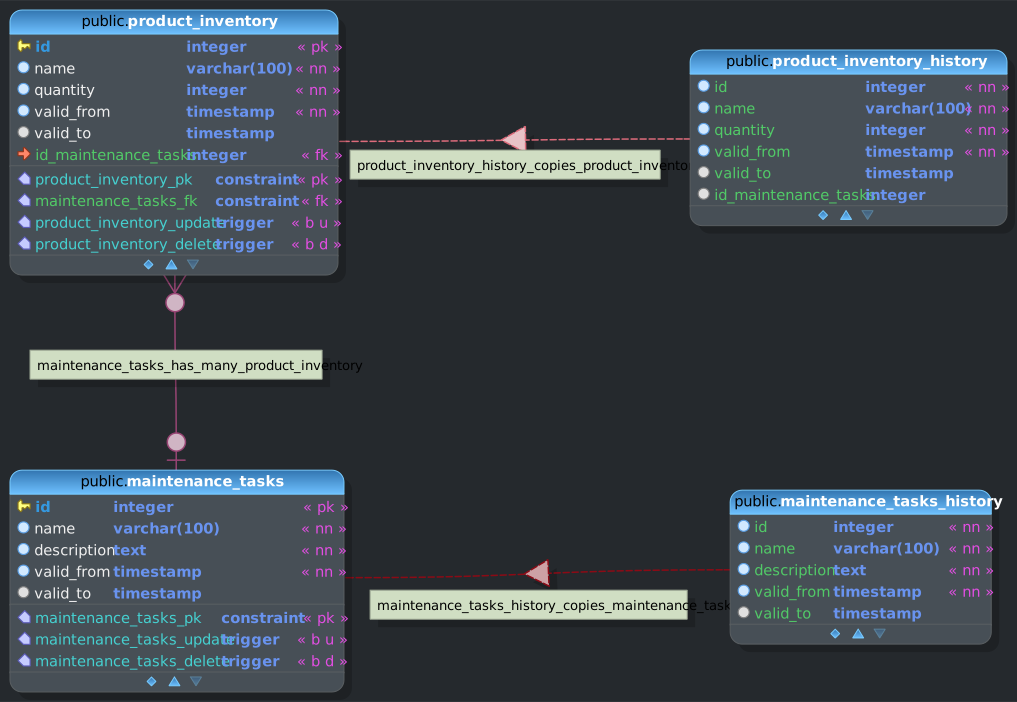
This is the new model that you are going to create:
I’m going to create this new example from zero. If you want you can start from the previous chapter state and implement this new tables and logics.
Step 1: Create new main table, their relationships and populate it
1
2
3
4
5
6
7
8
9
10
11
12
13
14
15
16
17
18
19
20
21
22
23
| CREATE TABLE maintenance_tasks (
id integer NOT NULL GENERATED ALWAYS AS IDENTITY ,
name varchar(100) NOT NULL,
description text NOT NULL,
valid_from timestamp NOT NULL DEFAULT CURRENT_TIMESTAMP,
valid_to timestamp DEFAULT NULL,
CONSTRAINT maintenance_tasks_pk PRIMARY KEY (id)
);
CREATE TABLE product_inventory (
id integer NOT NULL GENERATED ALWAYS AS IDENTITY ,
name varchar(100) NOT NULL,
quantity integer NOT NULL,
valid_from timestamp NOT NULL DEFAULT CURRENT_TIMESTAMP,
valid_to timestamp DEFAULT NULL,
id_maintenance_tasks integer,
CONSTRAINT product_inventory_pk PRIMARY KEY (id)
);
-- Add relationship between them
ALTER TABLE product_inventory ADD CONSTRAINT maintenance_tasks_fk FOREIGN KEY (id_maintenance_tasks)
REFERENCES maintenance_tasks (id) MATCH FULL
ON DELETE SET NULL ON UPDATE CASCADE;
|
1
2
3
4
5
6
7
8
9
10
11
12
| -- Insert tasks
INSERT INTO maintenance_tasks (name, description)
VALUES
('Firmware Update', 'Update device firmware'),
('Filter Replacement', 'Replace internal filter'),
('Battery Check', 'Inspect and verify battery health');
-- Insert products linked to tasks
INSERT INTO product_inventory (name, quantity, id_maintenance_tasks)
VALUES
('Laptop Pro 15"', 111, 1),
('Car', 22, 3);
|
Now the tables state is:
1
2
3
4
5
6
7
8
9
| +----+--------------------+-----------------------------------+----------------------------+----------+
| id | name | description | valid_from | valid_to |
+----+--------------------+-----------------------------------+----------------------------+----------+
| 1 | Firmware Update | Update device firmware | 2025-10-10 14:59:46.744000 | NULL |
+----+--------------------+-----------------------------------+----------------------------+----------+
| 2 | Filter Replacement | Replace internal filter | 2025-10-10 14:59:46.744000 | NULL |
+----+--------------------+-----------------------------------+----------------------------+----------+
| 3 | Battery Check | Inspect and verify battery health | 2025-10-10 14:59:46.744000 | NULL |
+----+--------------------+-----------------------------------+----------------------------+----------+
|
1
2
3
4
5
6
7
| +----+----------------+----------+----------------------------+----------+----------------------+
| id | name | quantity | valid_from | valid_to | id_maintenance_tasks |
+----+----------------+----------+----------------------------+----------+----------------------+
| 1 | Laptop Pro 15" | 111 | 2025-10-10 14:59:46.744000 | NULL | 1 |
+----+----------------+----------+----------------------------+----------+----------------------+
| 2 | Car | 22 | 2025-10-10 14:59:46.744000 | NULL | 3 |
+----+----------------+----------+----------------------------+----------+----------------------+
|
Step 2: Create historic table copies
1
2
3
4
5
6
7
| CREATE TABLE maintenance_tasks_history (
LIKE maintenance_tasks
);
CREATE TABLE product_inventory_history (
LIKE product_inventory
);
|
Step 3: Add log functions and triggers
1
2
3
4
5
6
7
8
9
10
11
12
13
14
15
16
17
18
19
20
21
22
23
24
25
26
27
28
29
30
31
32
33
34
| CREATE FUNCTION log_maintenance_task_changes ()
RETURNS trigger
LANGUAGE plpgsql
VOLATILE
CALLED ON NULL INPUT
SECURITY INVOKER
PARALLEL UNSAFE
COST 1
AS $$
BEGIN
INSERT INTO maintenance_tasks_history (
id,
name,
description,
valid_from,
valid_to
)
VALUES (
OLD.id,
OLD.name,
OLD.description,
OLD.valid_from,
CURRENT_TIMESTAMP
);
IF TG_OP = 'UPDATE' THEN
NEW.valid_from := CURRENT_TIMESTAMP;
NEW.valid_to := NULL;
RETURN NEW;
END IF;
RETURN OLD;
END;
$$;
|
1
2
3
4
5
6
7
8
9
10
11
12
13
| -- Triggers for UPDATE action for tasks
CREATE TRIGGER maintenance_tasks_update
BEFORE UPDATE
ON maintenance_tasks
FOR EACH ROW
EXECUTE PROCEDURE log_maintenance_task_changes();
-- Triggers for DELETE action for tasks
CREATE TRIGGER maintenance_tasks_delete
BEFORE DELETE
ON maintenance_tasks
FOR EACH STATEMENT
EXECUTE PROCEDURE log_maintenance_task_changes();
|
1
2
3
4
5
6
7
8
9
10
11
12
13
14
15
16
17
18
19
20
21
22
23
24
25
26
27
28
29
30
31
32
33
34
| CREATE FUNCTION log_product_inventory_changes ()
RETURNS trigger
LANGUAGE plpgsql
VOLATILE
CALLED ON NULL INPUT
SECURITY INVOKER
PARALLEL UNSAFE
COST 1
AS $$
BEGIN
INSERT INTO product_inventory_history (
id,
name,
quantity,
valid_from,
valid_to
)
VALUES (
OLD.id,
OLD.name,
OLD.quantity,
OLD.valid_from,
CURRENT_TIMESTAMP
);
IF TG_OP = 'UPDATE' THEN
NEW.valid_from := CURRENT_TIMESTAMP;
NEW.valid_to := NULL;
RETURN NEW;
END IF;
RETURN OLD;
END;
$$;
|
1
2
3
4
5
6
7
8
9
10
11
12
13
| -- Triggers for UPDATE action for products
CREATE TRIGGER product_inventory_update
BEFORE UPDATE
ON product_inventory
FOR EACH ROW
EXECUTE PROCEDURE log_product_inventory_changes();
-- Triggers for DELETE action for products
CREATE TRIGGER product_inventory_delete
BEFORE DELETE
ON product_inventory
FOR EACH ROW
EXECUTE PROCEDURE log_product_inventory_changes();
|
Step 4: Modify tables items and check changes on historical tables
1
2
3
4
5
| UPDATE product_inventory
SET
quantity = 5, -- change quantity
id_maintenance_tasks = 3 -- change to "Battery Check"
WHERE id = 2;
|
1
2
3
4
| UPDATE maintenance_tasks
SET
description = 'Inspect battery health and run capacity test'
WHERE id = 1;
|
maintenance_tasks state:
1
2
3
4
5
6
7
8
9
| +----+--------------------+----------------------------------------------+----------------------------+----------+----------------------+
| id | name | description | valid_from | valid_to | id_maintenance_tasks |
+----+--------------------+----------------------------------------------+----------------------------+----------+----------------------+
| 2 | Filter Replacement | Replace internal filter | 2025-10-10 14:59:46.744000 | NULL | 1 |
+----+--------------------+----------------------------------------------+----------------------------+----------+----------------------+
| 3 | Battery Check | Inspect and verify battery health | 2025-10-10 14:59:46.744000 | NULL | 3 |
+----+--------------------+----------------------------------------------+----------------------------+----------+----------------------+
| 1 | Firmware Update | Inspect battery health and run capacity test | 2025-10-10 15:26:53.952000 | NULL | |
+----+--------------------+----------------------------------------------+----------------------------+----------+----------------------+
|
maintenance_tasks_history state:
1
2
3
4
5
| +----+-----------------+------------------------+----------------------------+----------------------------+
| id | name | description | valid_from | valid_to |
+----+-----------------+------------------------+----------------------------+----------------------------+
| 1 | Firmware Update | Update device firmware | 2025-10-10 14:59:46.744000 | 2025-10-10 15:26:53.952000 |
+----+-----------------+------------------------+----------------------------+----------------------------+
|
product_inventory state:
1
2
3
4
5
6
7
| +----+----------------+----------+----------------------------+----------+----------------------+
| id | name | quantity | valid_from | valid_to | id_maintenance_tasks |
+----+----------------+----------+----------------------------+----------+----------------------+
| 1 | Laptop Pro 15" | 111 | 2025-10-10 14:59:46.744000 | NULL | 1 |
+----+----------------+----------+----------------------------+----------+----------------------+
| 2 | Car | 5 | 2025-10-10 15:26:37.865000 | NULL | 3 |
+----+----------------+----------+----------------------------+----------+----------------------+
|
product_inventory_history state:
1
2
3
4
5
| +----+------+----------+----------------------------+----------------------------+----------------------+
| id | name | quantity | valid_from | valid_to | id_maintenance_tasks |
+----+------+----------+----------------------------+----------------------------+----------------------+
| 2 | Car | 22 | 2025-10-10 14:59:46.744000 | 2025-10-10 15:26:37.865000 | NULL |
+----+------+----------+----------------------------+----------------------------+----------------------+
|
Step 5: [Optional] Implement new table on snapshot function
1
2
3
4
5
6
7
8
9
10
11
12
13
14
15
16
17
18
19
20
21
22
23
24
25
26
27
28
29
30
31
32
33
34
35
36
37
38
39
40
41
42
43
44
45
46
47
48
| CREATE OR REPLACE FUNCTION snapshot_inventory_tasks_at (target_ts timestamp)
RETURNS TABLE (product_id integer, product_name varchar, quantity integer, task_name varchar, task_description text, snapshot_time timestamp)
LANGUAGE sql
VOLATILE
CALLED ON NULL INPUT
SECURITY INVOKER
PARALLEL RESTRICTED
COST 1
AS $$
-- Product state at the given timestamp
WITH product AS (
SELECT *
FROM public.product_inventory
WHERE target_ts BETWEEN valid_from AND COALESCE(valid_to, CURRENT_TIMESTAMP)
UNION ALL
SELECT *
FROM public.product_inventory_history
WHERE target_ts BETWEEN valid_from AND valid_to
),
-- Task state at the given timestamp
task AS (
SELECT *
FROM public.maintenance_tasks
WHERE target_ts BETWEEN valid_from AND COALESCE(valid_to, CURRENT_TIMESTAMP)
UNION ALL
SELECT *
FROM public.maintenance_tasks_history
WHERE target_ts BETWEEN valid_from AND valid_to
)
-- Join snapshots
SELECT
p.id,
p.name,
p.quantity,
t.name,
t.description,
target_ts
FROM product p
JOIN task t
ON p.id_maintenance_tasks = t.id
ORDER BY p.id;
$$;
|
1
| SELECT * FROM snapshot_inventory_tasks_at ('2025-10-10 15:27:00')
|